Egypt Travel: Visas, Money, Transport and Practical Tips
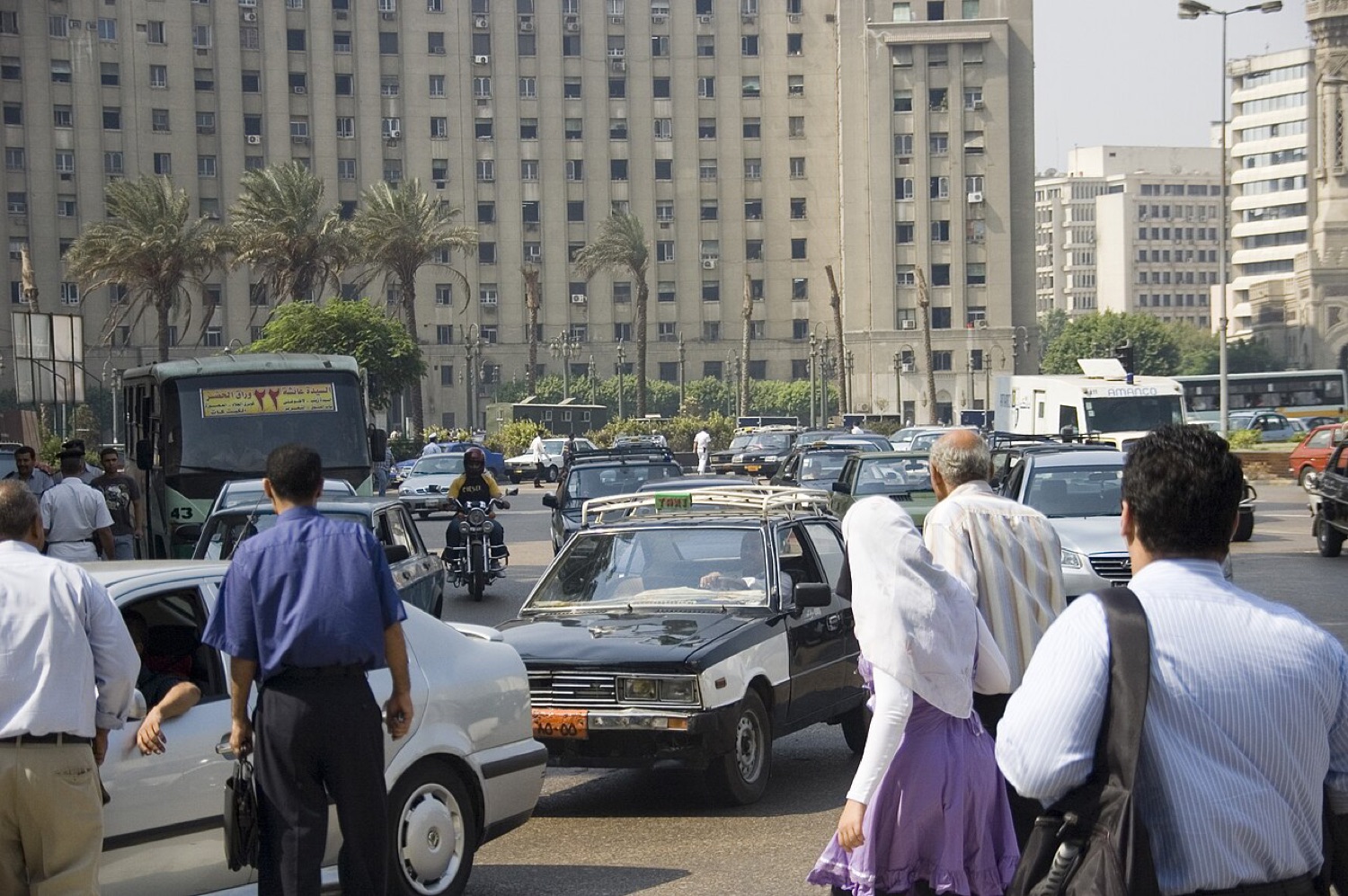
Practical information for visitors to Egypt, based on the general information prepared for the 2021 championships and updated for today. Rules and prices change, so always check official sources before you travel.
Visas
Most visitors need a visa to enter Egypt. Depending on your nationality there are three routes:
- Visa on arrival: citizens of many countries, including most of Europe, the UK, the US, Canada, Australia, New Zealand and Japan, can buy a tourist visa at the bank counters in the arrivals hall before passport control. It has long cost around 25 US dollars, paid in cash, and comes as a sticker you place in your passport yourself before you reach the immigration desk.
- e-Visa: the same nationalities can apply online in advance through Egypt's official e-visa portal, visa2egypt.gov.eg. Use only the official site.
- Embassy visa: citizens of other countries must apply at an Egyptian embassy or consulate before travelling.
Your passport must be valid for at least six months from the date of arrival. Check your own country's requirements with the nearest Egyptian consulate or the Egyptian Ministry of Foreign Affairs.
Getting there
Cairo International Airport, in Heliopolis on the north-eastern edge of the city, is one of the busiest in Africa and the hub of the national airline, EgyptAir. Major European, Gulf, Turkish and African carriers fly in from around the world, including British Airways, Lufthansa, Air France, Swiss, Turkish Airlines, Emirates, Etihad, Qatar Airways, Saudia and Ethiopian Airlines. Routes change, so check what is currently operating from your home airport. The airport is close to Nasr City and Heliopolis, which is convenient for anyone visiting the velodrome.
Money
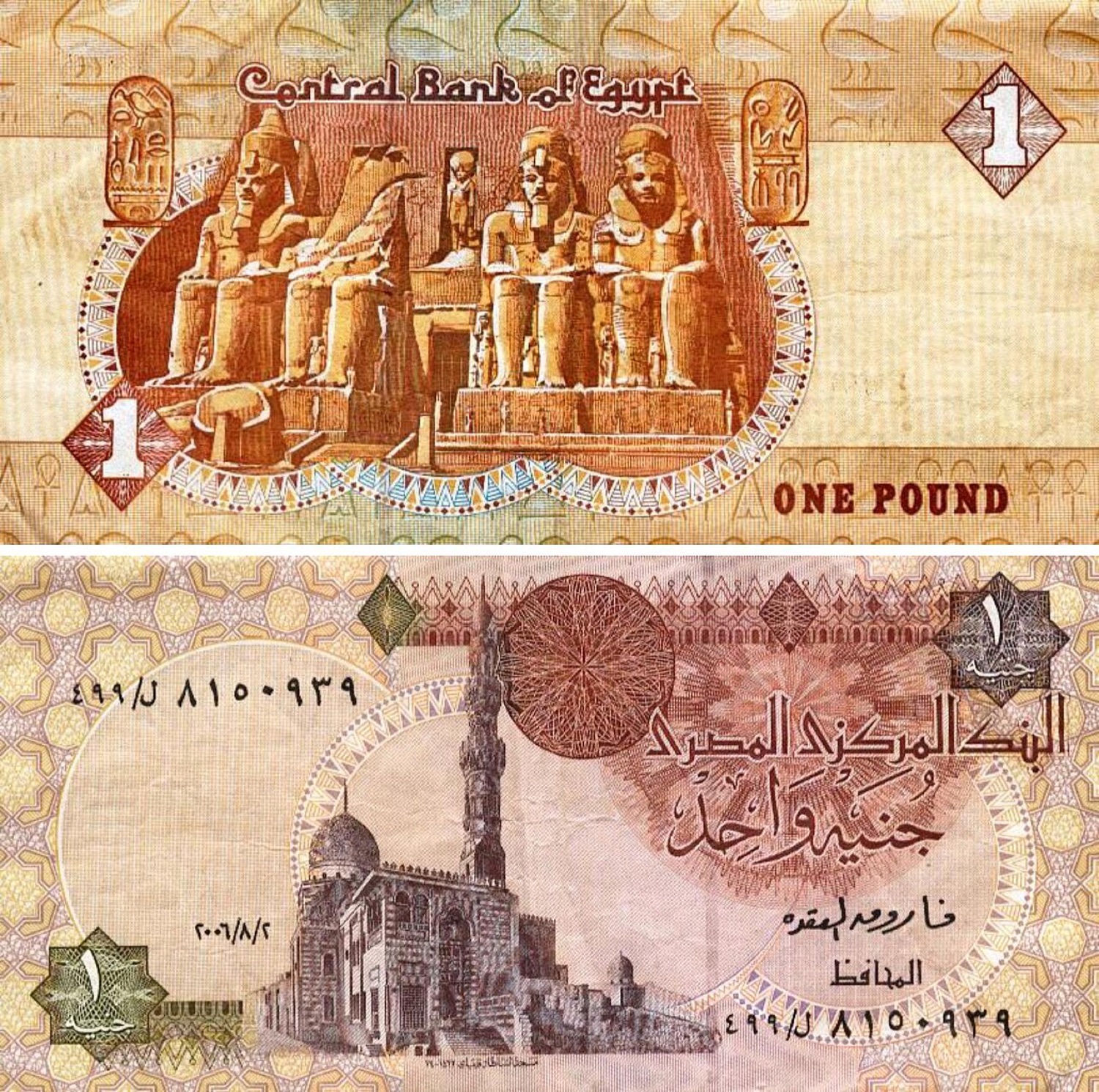
The currency is the Egyptian pound (EGP, written £E or LE locally). It has lost a lot of value against the dollar and euro in recent years, so check the current rate before you travel rather than relying on old guidebooks. Cards are accepted in hotels, malls and larger restaurants; carry cash for taxis, markets, tips and small cafes. ATMs are easy to find in the city. One exception to the cash-in-pounds rule: the casinos in the big hotels deal in foreign currency, usually US dollars or euros, and admit foreign passport holders only; our casinos in Cairo and Egypt guide explains how they work.
Getting around Cairo
- Ride-hailing: Uber and Careem both operate in Cairo and are the easiest choice for most visitors, with fixed prices and no haggling.
- Hotel transfers and taxis: traffic can be very heavy, so allow plenty of time. Agree a fare before you get into a street taxi if it has no working meter.
- Metro: the Cairo Metro is cheap and avoids traffic. Each train has carriages reserved for women.
- On foot: crossing busy roads takes confidence. Cross with locals and move steadily.
Weather, dress and health
- It is hot for much of the year. Spring averages around 30°C in the daytime and summer is hotter still, so pack light clothing, a hat and plenty of sunscreen. The sun is harsh.
- Shorts and bare shoulders are fine in hotels and tourist areas, but dress modestly in the city and especially in mosques and churches. Women may be asked to cover their hair in mosques; scarves are usually provided.
- Drink bottled water, and keep drinking it in the heat.
Plugs, tipping and haggling
- Power: 220 V with European two-pin plugs (types C and F). Bring an adaptor if your plugs differ.
- Tipping: tipping, called baksheesh, is expected for most services, from porters to guides and drivers. Keep small notes handy.
- Haggling: bargaining is a must in the markets. Smile, take your time and be ready to walk away.
- Food: try aish baladi, the local flatbread, with ful medames and falafel (called ta'ameya in Cairo).
More tips for sport fans are in our cycling fan's guide to Cairo, and a few words of Arabic go a long way: see useful Arabic phrases.