Experience Cairo: A Visitor's Guide to Egypt's Capital
Cairo is the capital of Egypt and the largest city in the Arab world. Greater Cairo is home to more than 20 million people, which makes it the biggest urban area in Africa and the Middle East and one of the largest in the world. Sitting astride the mighty Nile, it is an intoxicating mix of the remnants of ancient Egypt and a modern city with every convenience a visitor could wish for.
Cairo has long been the centre of the region's political and cultural life, and it is called "the city of a thousand minarets" for good reason. It is not a city to be visited so much as experienced. The sights, sounds, smells and food immerse you in something both unique and memorable. This guide was first written for teams and fans travelling to the 2021 junior track worlds, and it has been updated for anyone visiting today.
The essential sights
The Giza pyramids and the Great Sphinx
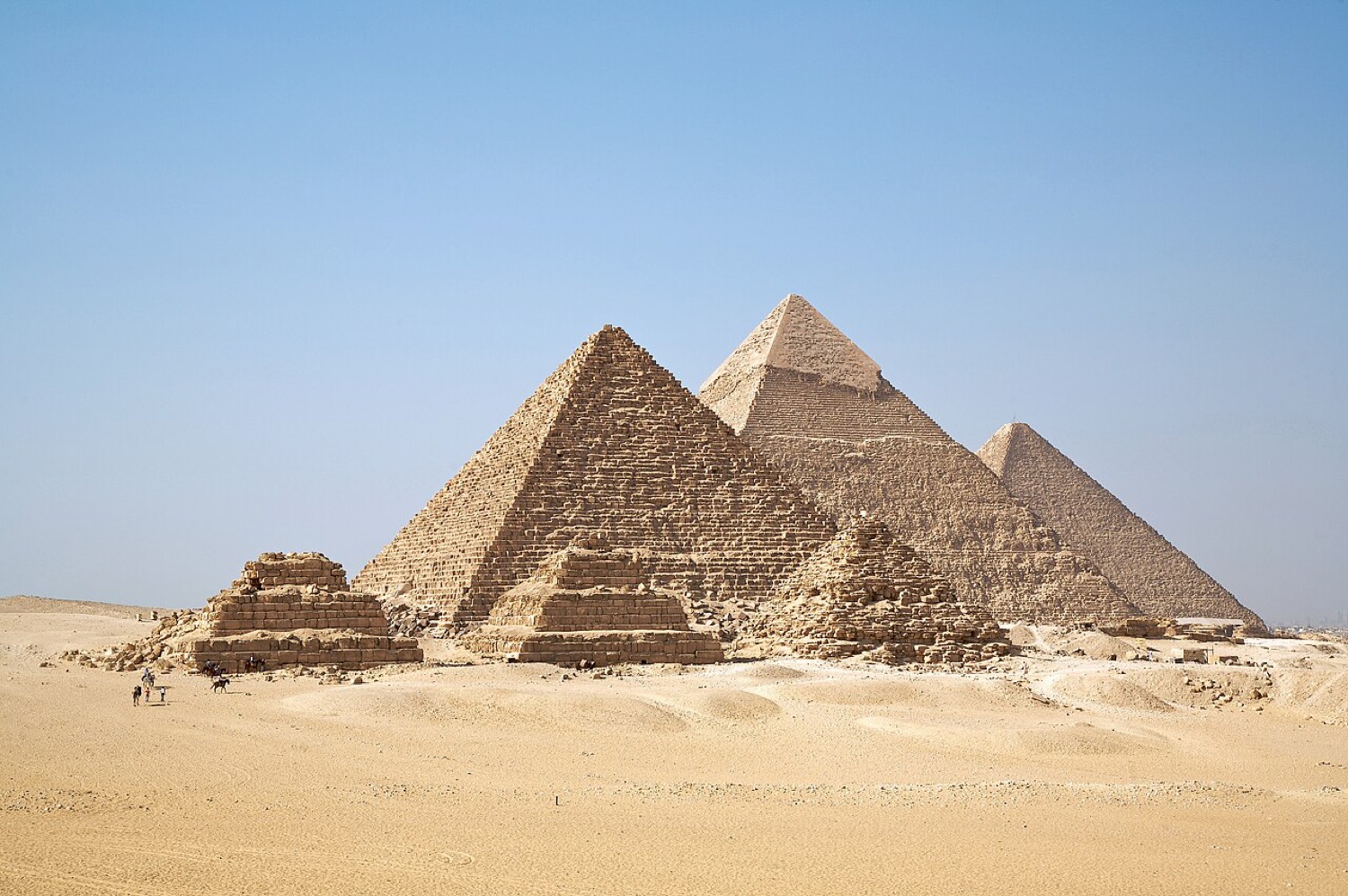
The Giza Necropolis on the western edge of the city includes the Great Pyramid of Giza, the Pyramid of Khafre and the Pyramid of Menkaure, with their temples, smaller satellite pyramids and the Great Sphinx. The Great Pyramid is the only one of the Seven Wonders of the Ancient World still standing. Go early in the morning, before the heat and the crowds, and allow at least half a day.
Egypt's great museums
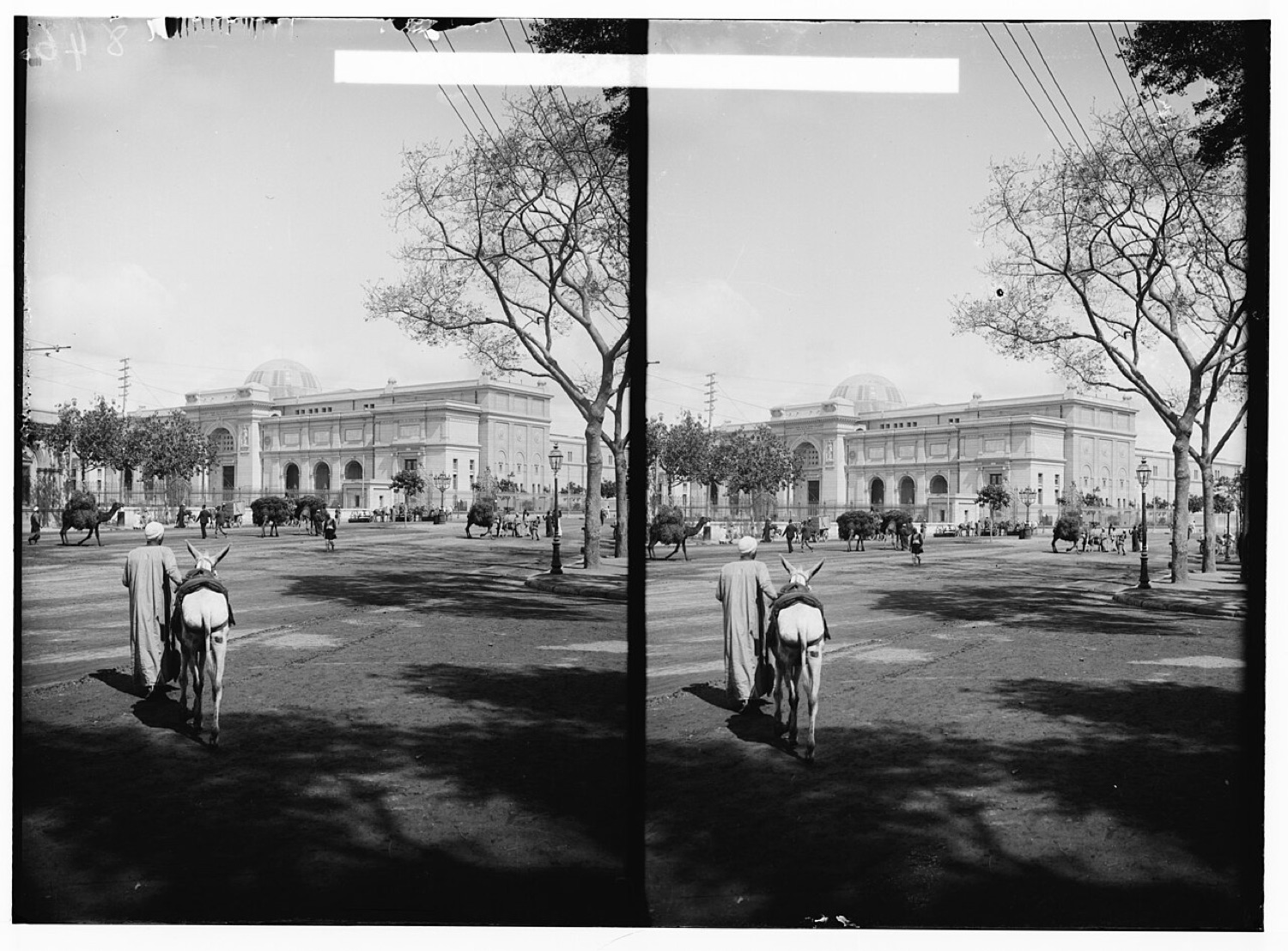
The Egyptian Museum on Tahrir Square, the historic Museum of Egyptian Antiquities, traces some 5,000 years of Egyptian history and remains a wonderful, slightly old-fashioned treasure house. In recent years many of the most famous objects, including the treasures of Tutankhamun, have moved to the vast Grand Egyptian Museum beside the Giza plateau, while the royal mummies are displayed at the National Museum of Egyptian Civilization in Fustat. If time allows, see all three.
Khan el-Khalili
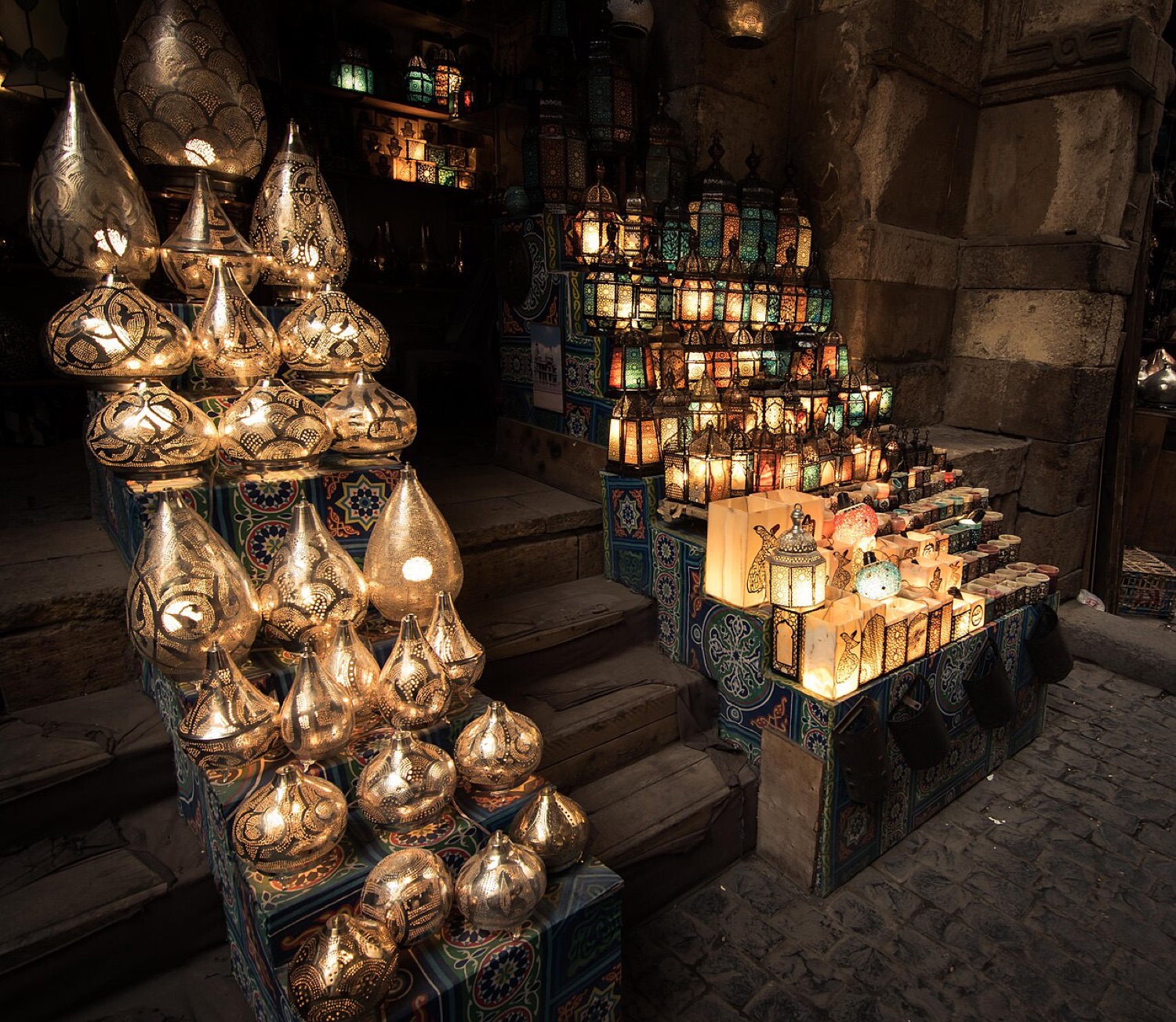
Khan el-Khalili is the famous bazaar in the historic centre of Islamic Cairo. Established as a trading quarter in the Mamluk era, it is one of the city's main attractions for tourists and Egyptians alike, and home to many artisans and workshops producing traditional crafts and souvenirs: brass lamps, spices, perfume bottles, textiles and silver. Stop for mint tea at one of the old coffeehouses and practise the art of haggling.
The Citadel of Saladin
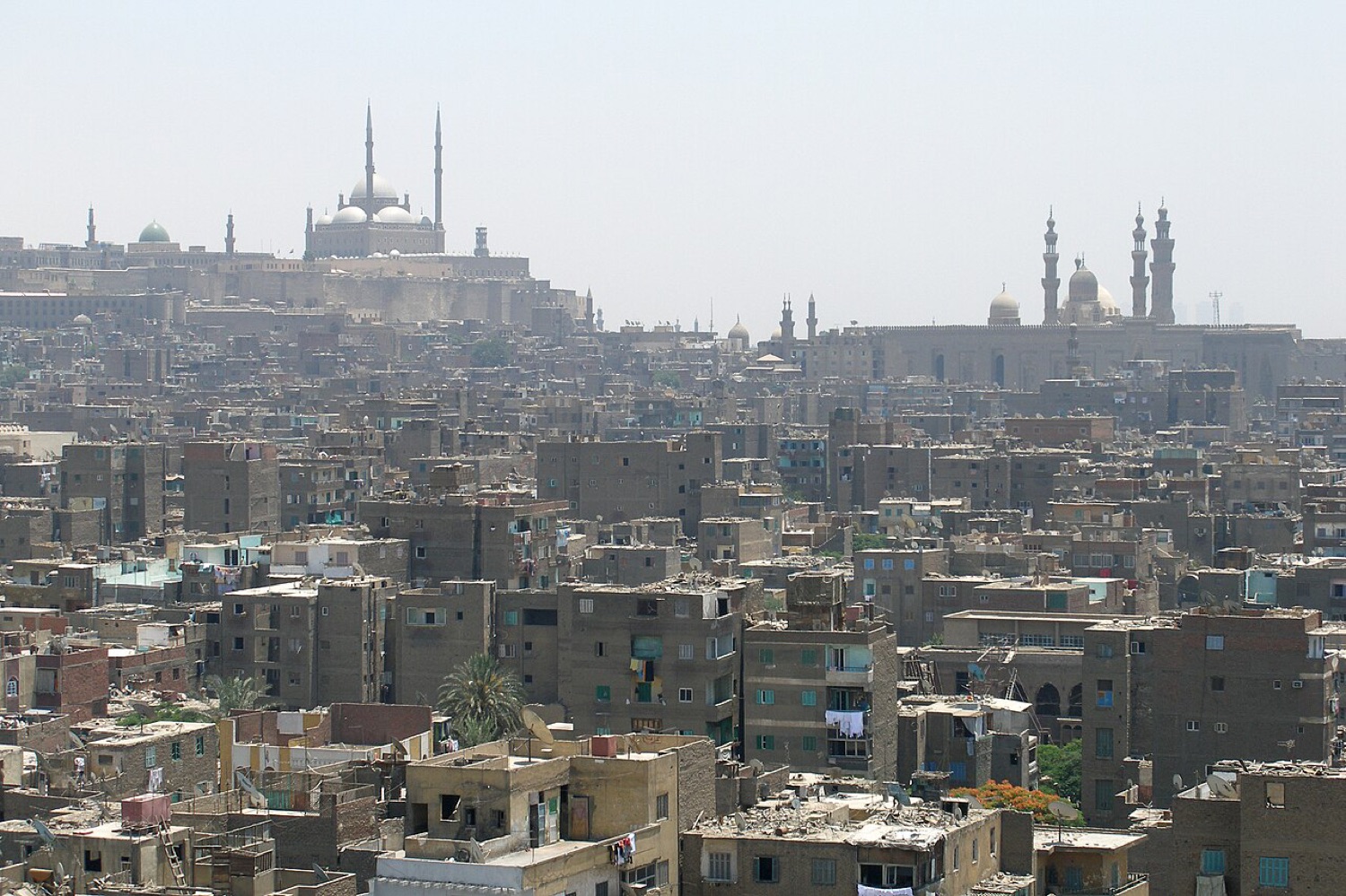
The Citadel of Cairo, or Citadel of Saladin, is a medieval Islamic-era fortress built by Salah ad-Din and developed by later Egyptian rulers. Its skyline is dominated by the Ottoman-style Mosque of Muhammad Ali, and its walls offer one of the best views over the city.
More places worth your time
- Coptic Cairo (Old Cairo), with the Hanging Church and other ancient churches
- The Cave Church (Monastery of Saint Simon) carved into the Mokattam hills
- Sharia al-Muizz li-Din Allah, a street lined with medieval mosques, madrasas and palaces
- Bab Zuweila, one of the surviving gates of the medieval city
- Street of the Tentmakers (Sharia Khayamiya), a covered market of appliqué textile workshops
- Al-Azhar Park, a green hilltop park with city views, and the Al-Azhar Mosque opposite
- Sultan Hassan Mosque and the neighbouring Al-Rifai Mosque
- Baron Empain Palace in Heliopolis, a Hindu temple-inspired mansion
- Dahshur, south of the city, with the Red Pyramid (the first successful smooth-sided pyramid) and the Bent Pyramid
- Camel and horse rides around the Giza plateau
This is just a small taste of what the city has to offer. For trips further afield, see beyond Cairo.
Cairo after dark
Cairo is a late city. Families stroll the Nile corniche until midnight, cafes fill after sunset, and felucca sailboats take visitors out on the river in the evening. The big hotels along the Nile also house the city's casinos, which by Egyptian law are open to foreign passport holders. If you are curious, our guide to casinos in Cairo and Egypt explains how they work.
Planning the practical side? Read Egypt travel: practical information for visas, money and transport, and useful Arabic phrases before you go.