Keirin and Pari-Mutuel Betting in Japan Explained
To most cycling fans the keirin is an Olympic sprint event. In Japan it is something much bigger: a professional racing circuit, a national betting institution and one of only a handful of sports on which public gambling is legal. If you love track racing and travel to Japan, an afternoon at a keirin velodrome is unmissable.
A sport built for betting
Keirin began in 1948 in Kokura, now part of Kitakyushu, as part of Japan's post-war reconstruction. Like horse racing, boat racing and motorcycle "auto racing", it is a kōei kyōgi, a publicly managed sport whose betting revenues support local government and public causes. Today there are around forty keirin velodromes across Japan, from Tokyo's suburbs to Kyushu, and races are held almost every day of the year somewhere in the country.
Japanese keirin in brief
- Founded
- 1948, Kokura (Kitakyushu)
- Status
- Publicly managed betting sport, overseen nationally
- Velodromes
- Around forty, mostly outdoor, 333 m, 400 m or 500 m
- Field
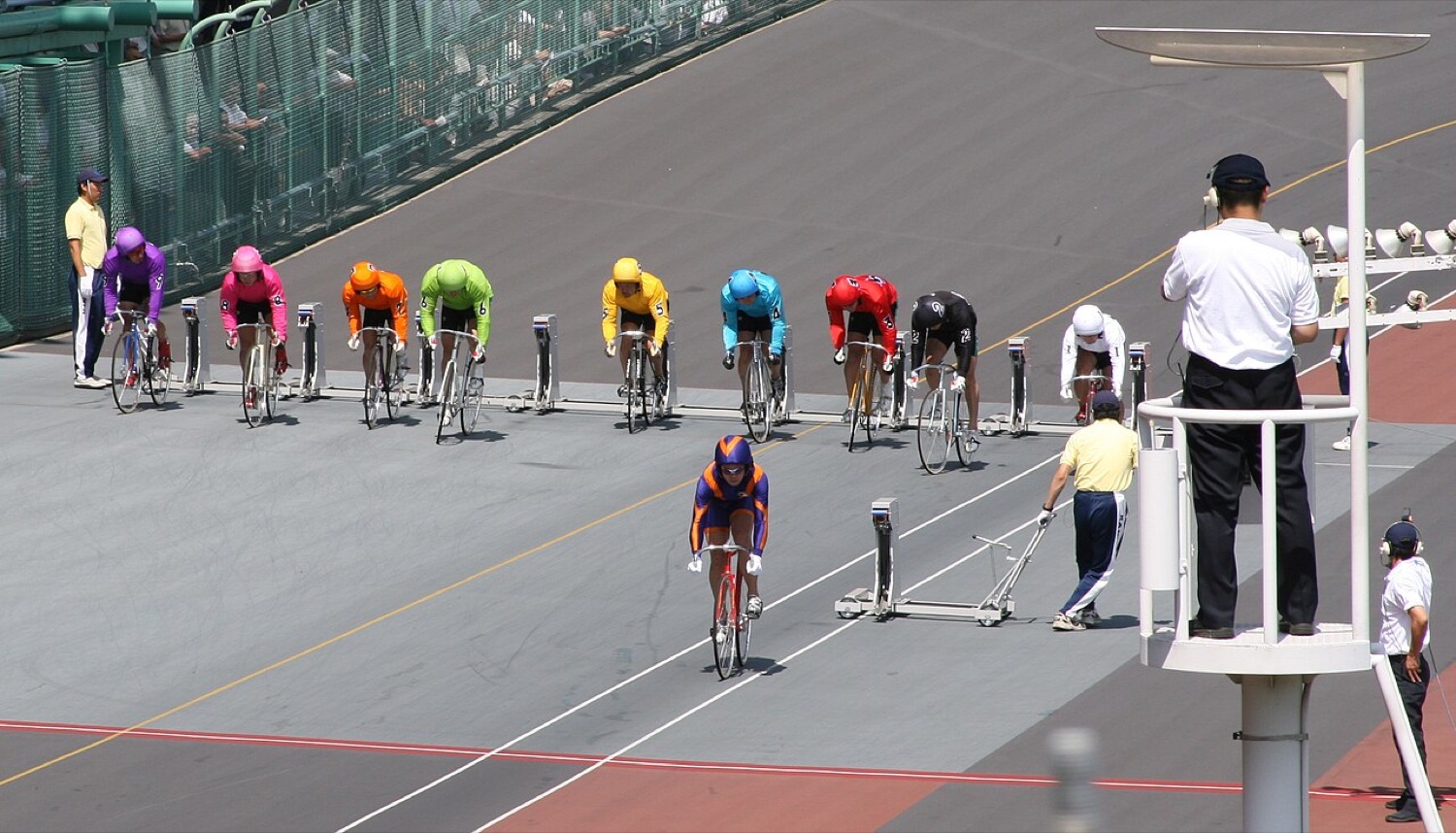
- Usually seven or nine riders
- Riders
- Licensed professionals trained at the national keirin school in Shizuoka Prefecture
- Biggest race
- The year-end Keirin Grand Prix, with one of the richest purses in cycling
How a Japanese keirin race works
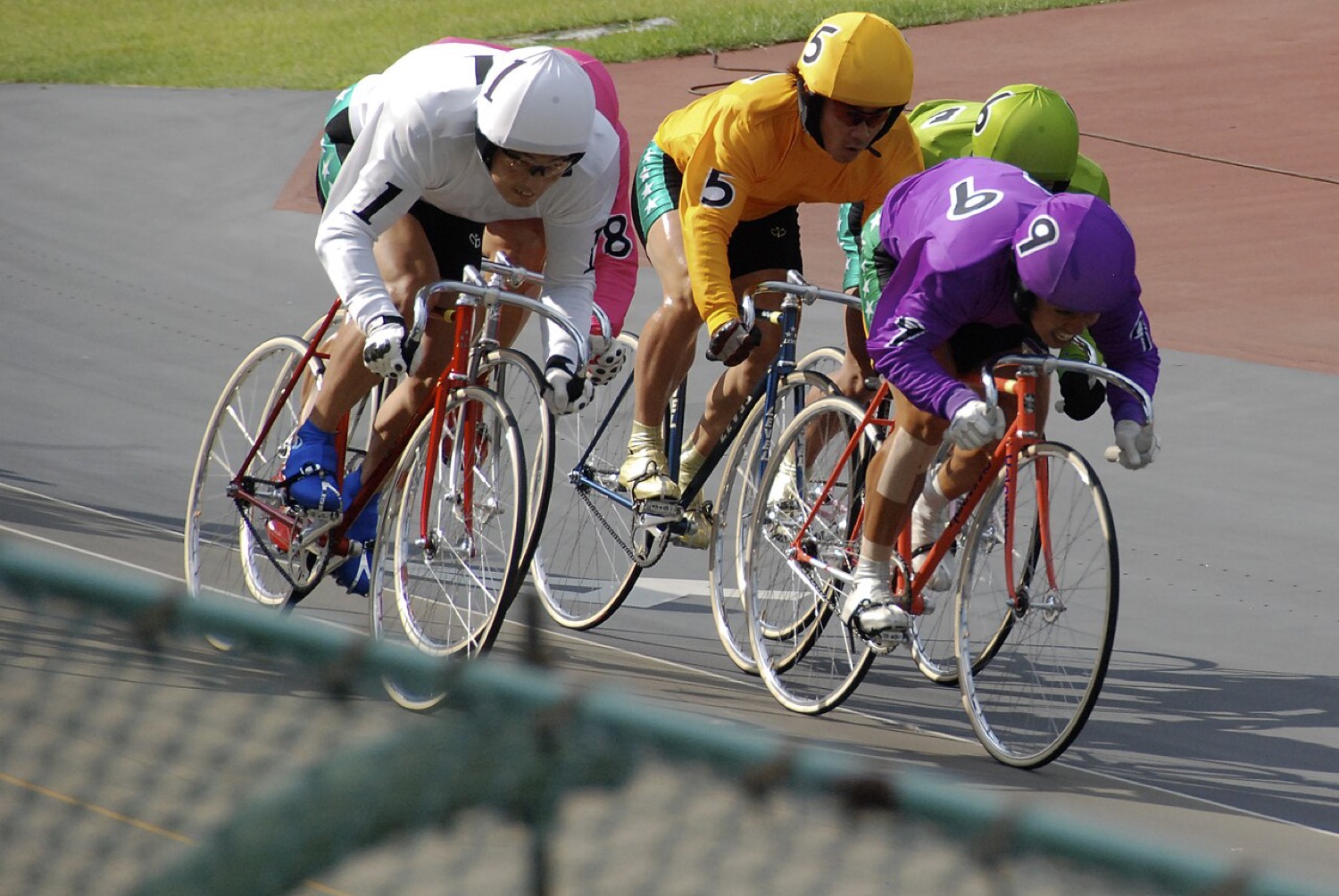
Japanese races differ from Olympic keirin. Fields are larger, distances are longer (typically around 2 km), the bikes are steel frames built to strict regulations, and tracks are often longer than the 250 m international standard. Riders follow a pacer for most of the race. The crucial difference is the line (sen): riders from the same region often ride together in a line, the lead rider protecting the others or launching them. Knowing who will team up with whom is the first skill of keirin betting.
Riders are professionals with a ranking system, and they enter the sport only after training at the Japan Institute of Keirin on the Izu peninsula. Women's keirin returned in 2012 under the "Girls' Keirin" banner and has become popular in its own right.
The pari-mutuel system
Keirin betting is pari-mutuel: all stakes on a bet type go into a pool, the operator deducts its share, and the rest is divided among winning tickets. You are betting against other punters, not a bookmaker. The odds displayed before the race are estimates that move as money comes in, and final payouts are only known when betting closes. A big favourite in a large pool pays very little; a surprise result can pay hundreds of times the stake.
Bet types
| Bet | Japanese name | You pick |
|---|---|---|
| Quinella | ni-sha-fuku | First and second in any order |
| Exacta | ni-sha-tan | First and second in exact order |
| Trio | san-ren-puku | First three in any order |
| Trifecta | san-ren-tan | First three in exact order: the most popular bet |
| Wide | wide | Two riders who both finish in the top three |
| Bracket quinella | waku-fuku / waku-tan | Bracket groups rather than individual riders |
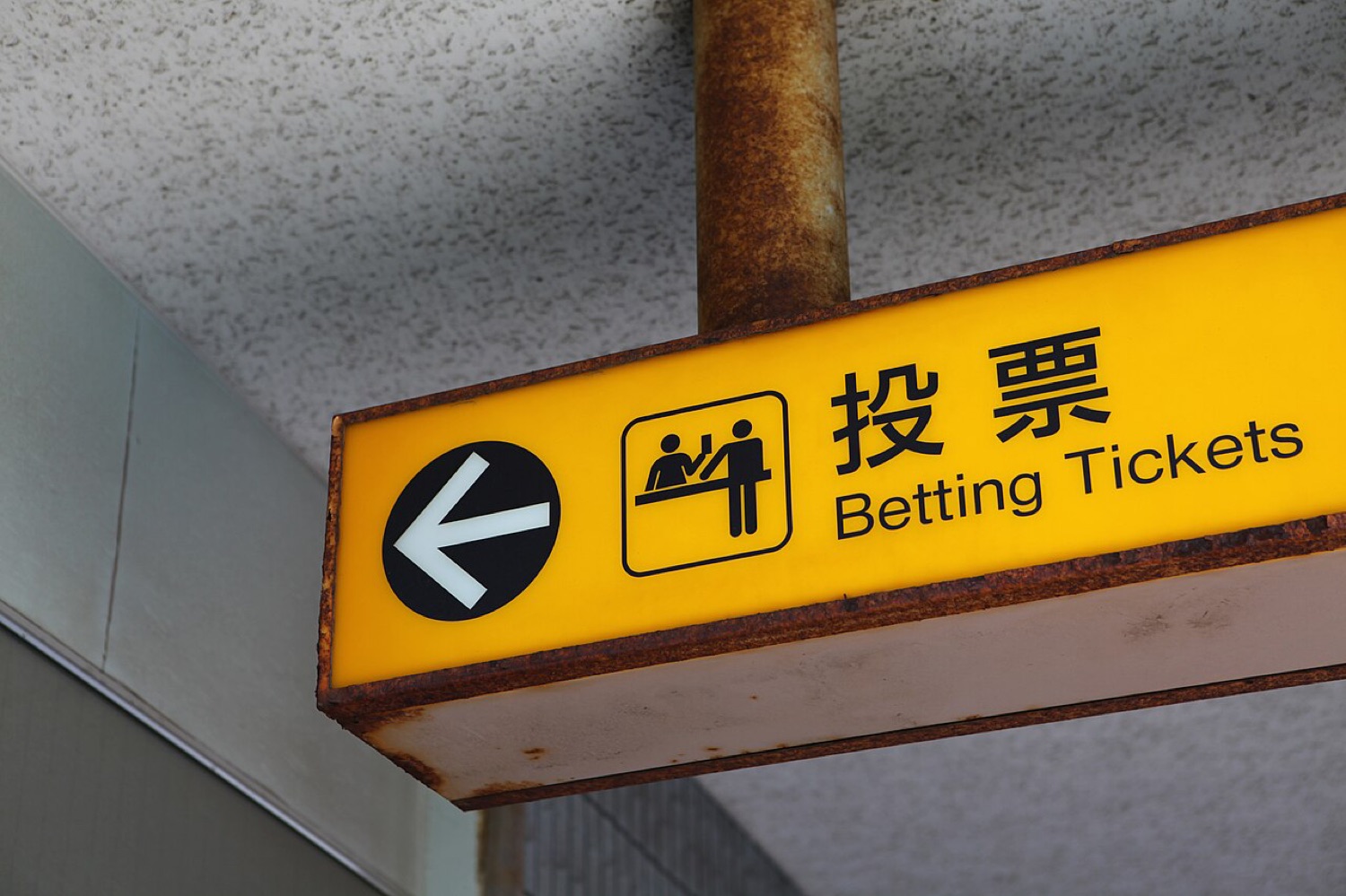
Bets are placed in units of 100 yen, using mark sheets at machines or windows, or online through official platforms for those with Japanese accounts.
A visitor's afternoon at the keirin
- Pick a velodrome near you. Several are within reach of central Tokyo and Osaka. Entry is cheap.
- Buy a race programme. It lists the riders, their regions, recent form and predicted lines.
- Watch a race or two before betting. Learn how the lines form behind the pacer.
- Start with wide or quinella bets for small stakes, then try a trifecta.
- Collect winnings at the payout machines with your ticket.
Keirin and the wider sport
The Olympic keirin, adopted for Sydney 2000, is shorter and uses a motorised pacer and 250 m tracks, but the DNA is Japanese. International sprinters have raced Japan's keirin circuit by invitation, and Japanese sprinters have become a force on the international track. For how keirin works in UCI racing, read sprint, keirin and team sprint explained; for betting on it outside Japan, see betting on track cycling.