Track Cycling Events Explained: A Guide to All 11
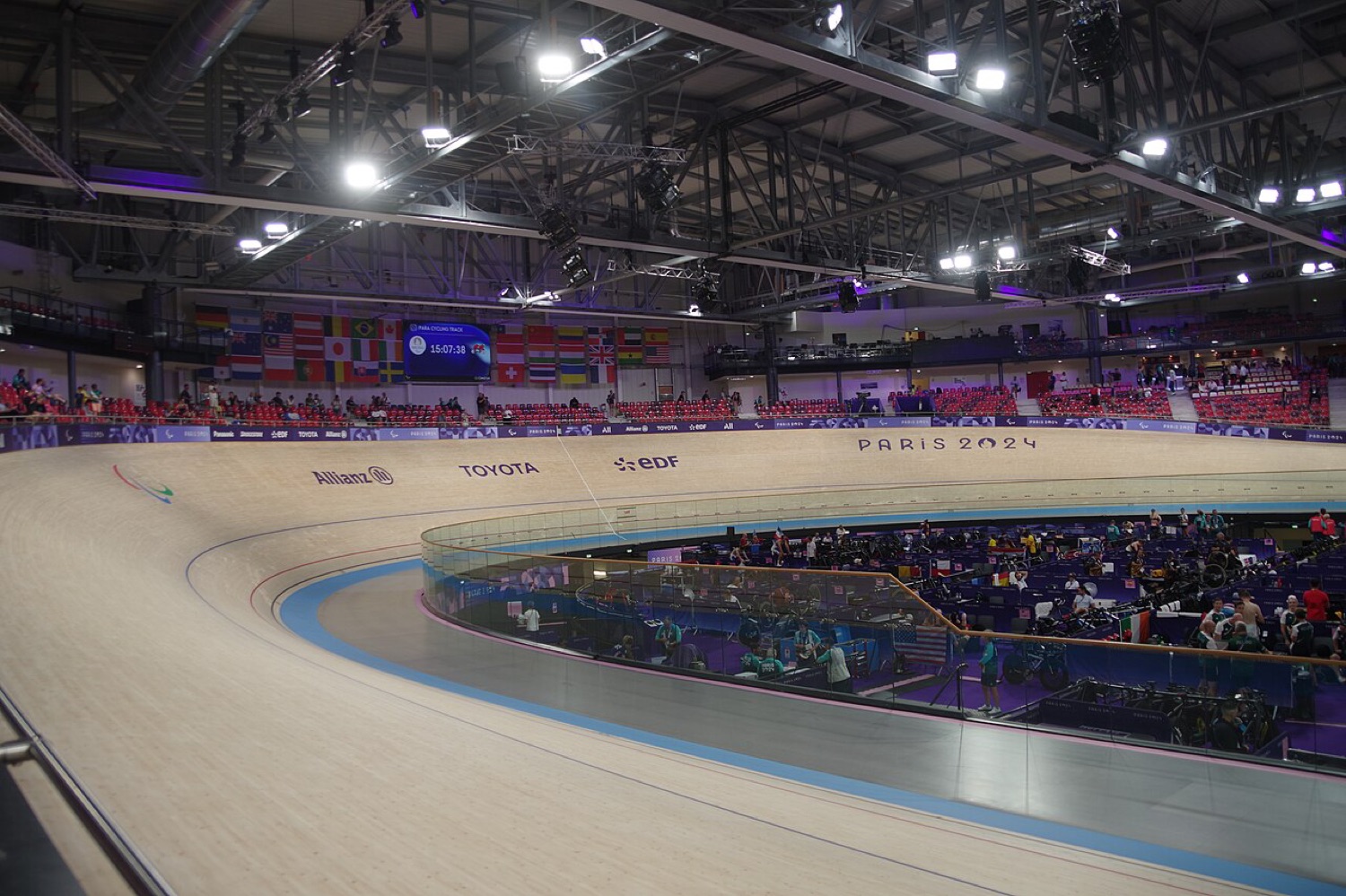
Track cycling looks simple: riders go round an oval. In fact a world championship contains eleven different events per gender, each with its own rules, tactics and type of athlete. If you are watching your first track meeting, or following the junior worlds from home, this is the guide to keep open.
The basics
All world championship events are raced on a 250 m banked track, so four laps make a kilometre. Bikes have a single fixed gear and no brakes: riders slow down by resisting the pedals. Events fall into two families. Sprint events last from about ten seconds to a minute and reward explosive power. Endurance events run from about three minutes to over an hour and reward aerobic power, positioning and race craft.
| Event | Family | Format in one line |
|---|---|---|
| Sprint | Sprint | Flying 200 m qualifying, then head-to-head duels over three laps |
| Keirin | Sprint | Six or so riders follow a motorised pacer, then sprint for the line |
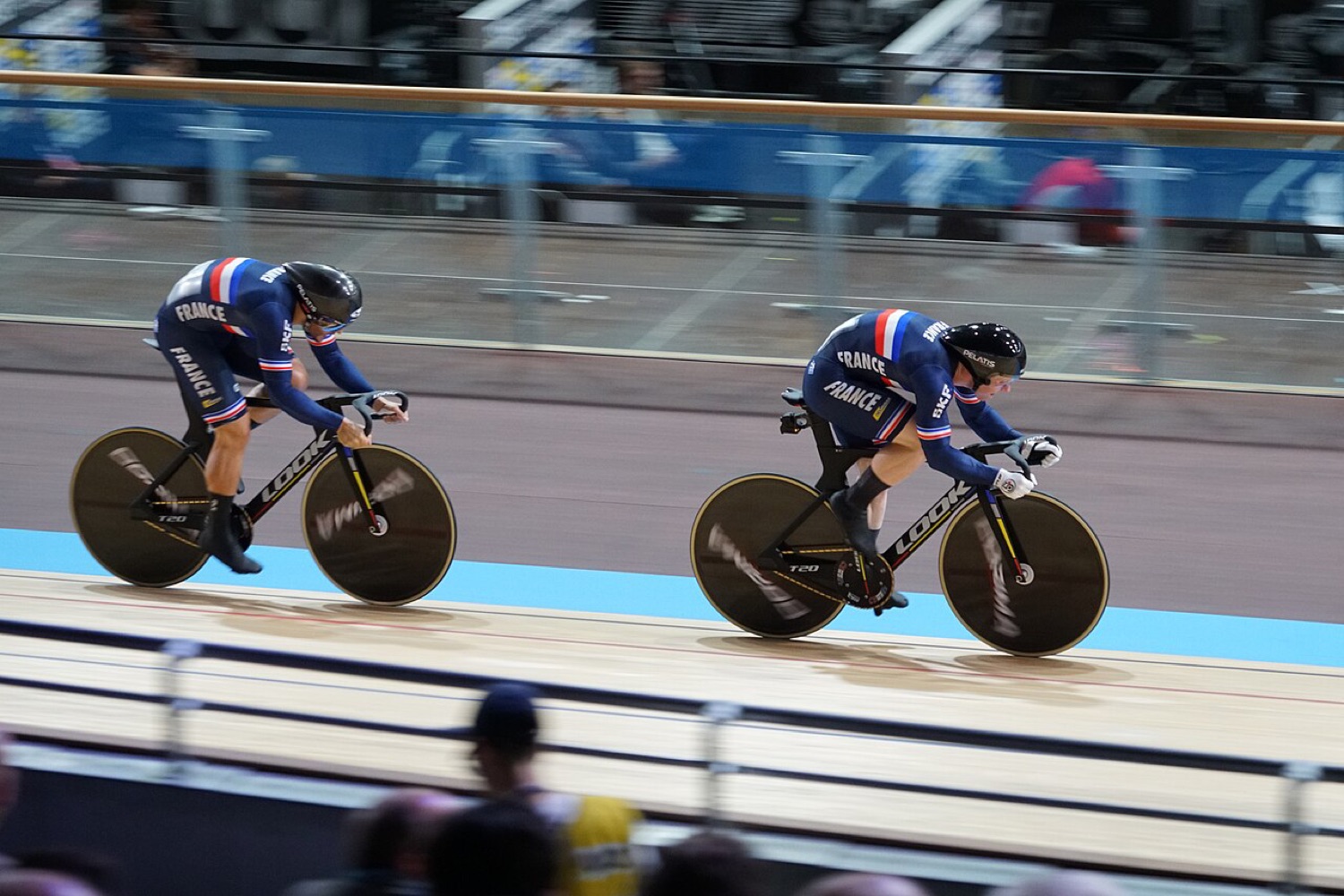
| Team sprint | Sprint | Teams of three ride three laps, one rider peeling off each lap |
| Time trial | Sprint | Solo from a standing start: 1 km for men, 500 m traditionally for women |
| Individual pursuit | Endurance | Two riders start on opposite sides of the track and race the clock |
| Team pursuit | Endurance | Teams of four, 4 km at elite level, time taken on the third rider |
| Points race | Endurance | Bunch race with intermediate sprints; points for placings and lapping the field |
| Scratch race | Endurance | First across the line at the end wins |
| Elimination | Endurance | The last rider over the line every two laps is out |
| Madison | Endurance | Teams of two take turns, handing over with a hand-sling; sprints every ten laps |
| Omnium | Endurance | Four races in one day: scratch, tempo, elimination and points |
Sprint events
The sprint is the purest duel in cycling: two riders, three laps, and often a slow cat-and-mouse opening before an explosion of speed in the final lap. The keirin, born in Japan, adds a pacer and a crowded field. The team sprint is a three-lap relay at full gas. All three are covered in depth in sprint, keirin and team sprint explained.
Racing the clock
The time trial and the pursuits are the events where riders cannot hide. Pacing, aerodynamics and a perfect start decide them. Read pursuit and time trial: racing the clock.
Bunch races
The points race, scratch, elimination, madison and omnium are the races casual fans usually enjoy most: big fields, crashes, attacks and constant changes of fortune. They are explained in the bunch races guide.
Olympic and non-Olympic events
The Olympic programme contains six track events per gender: sprint, team sprint, keirin, team pursuit, omnium and madison. The world championships add the individual pursuit, time trial, points race, scratch and elimination. Juniors race all eleven, which is why the junior worlds are such a good place to see versatile young riders before they specialise.
How to watch a track meeting
- Follow the scoreboard. In bunch races the points standings change every few laps.
- Watch the back straight. In sprints, the moment a rider commits often comes before the final bend.
- Listen to the bell. One ring means one lap to go.
- Look at the infield. Coaches signal lap times and gaps to riders in pursuits and points races.
From spectator to punter: each event creates different betting markets, from head-to-head sprint matches to outright winners of a 20-rider scratch race. Read betting on track cycling for how bookmakers price them and live betting at velodrome events for in-play strategy.